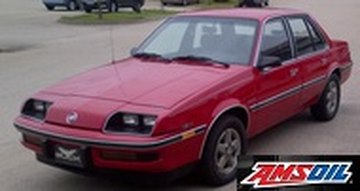
Selecting Components for the 1983 Buick SKYHAWK 2.0L
Verifying Oil Filter Compatibility
When shopping for an oil filter, the most critical factor is ensuring the component matches the specific mounting requirements of your engine. Because different engines utilize unique thread pitches, seal diameters, and gasket surface areas, a filter that looks identical to another may not actually provide a secure or leak-free fit. Relying on visual similarity or assuming a part will work because it fits a similar vehicle is a mistake that can lead to improper sealing or incorrect oil pressure regulation.
To ensure the correct selection, a shopper should verify several technical aspects of the filter:
- Thread Engagement: The threads must match the engine's mounting stud exactly to prevent cross-threading or stripping.
- Sealing Surface: The gasket diameter and thickness must correspond to the mounting base to ensure a proper seal under operating temperatures.
- Mounting Diameter: The outer diameter of the filter housing must clear any surrounding engine components during installation.
- Pressure Regulation: Filters are designed with specific bypass valve settings intended for certain engine architectures; using an incorrect specification can affect how the engine manages oil flow.
Rather than attempting to guess based on physical appearance, you should utilize the application-matched oil filter options displayed above on this page. These selections are specifically curated for your vehicle's requirements.
Understanding Lubricant Selection Principles
Choosing the correct engine oil involves more than just selecting a brand; it requires matching the lubricant to the specific mechanical needs of the 2.0L engine. The primary decision factor is the viscosity, which dictates how the oil flows under different operating conditions. To ensure proper lubrication and protection, match the engine oil to the application-specific viscosity information shown above on this page.
When evaluating different oil formulations, it is helpful to understand what various types offer:
- Conventional Oil: A standard petroleum-based lubricant.
- Synthetic and Synthetic-Blend Oils: These formulations are engineered for different thermal stability profiles. While they offer different chemical properties, they must still meet the specific viscosity requirements of your engine to be appropriate.
- High-Mileage Formulations: Some high-mileage oil formulations contain additives intended for use in aging engines. Additionally, some high-mileage formulations include seal-conditioning additives. These are options to consider if you are managing an older engine, but they do not change the fundamental requirement to follow the correct viscosity.
Regardless of the formulation chosen, always verify that the product meets current industry standards for quality and performance to ensure it provides the necessary protection for your engine components.
Ensuring Accurate Application Matching
A common error in vehicle maintenance is making assumptions based on general knowledge or parts from similar models. For a 1983 Buick SKYHAWK with the 2.0L engine, precision is vital because small variations in engine codes or production years can change the necessary specifications for fluids and filters.
When performing maintenance, always use the specific identifiers provided in your vehicle's documentation—such as the year, make, model, and engine size—to cross-reference any part. Using the structured data provided on this page is the most reliable way to avoid the pitfalls of "close enough" part matching. By adhering to the application-specific details listed here, you ensure that every component, from the oil filter to the lubricant itself, is technically compatible with your specific engine configuration.